
Nylon is a beloved material in various industries due to its excellent mechanical performance and durability among plastics.
Recently, many companies are increasingly demanding products utilizing these nylon-based materials. However, it's not always clear where and how to use representative nylon materials, so today we're sharing this information.
PA6, PA66, PA11, PA12 have distinctly different characteristics thanks to their different compositions and structures as shown below.
1. PA6 (Nylon 6)
| A. Features - High strength and toughness - Excellent wear resistance, good lubrication properties - Low dimensional stability (high moisture absorption) |
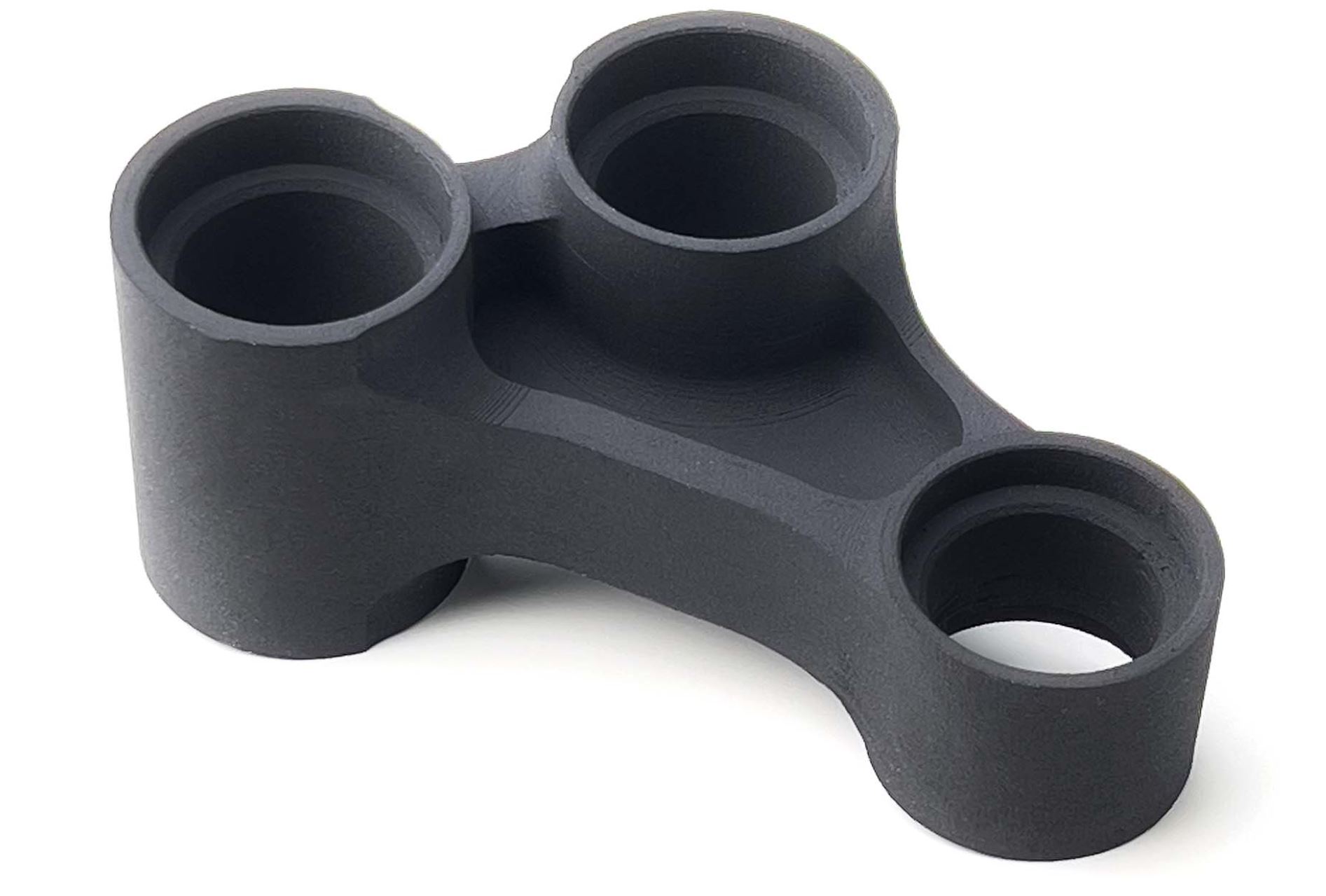 |
| B. Applications - Automotive engine room parts, mechanical parts, electrical/electronic insulation parts, textiles |
|
| C. Disadvantages - Sensitive to moisture, possible dimensional changes during long-term use |
|
| D. 3D Printing Methods - FDM (filament form): Industrial machine parts manufacturing - SLS (powder sintering): High precision, mechanical strength parts manufacturing |
2. PA66 (Nylon 66)
| A. Features - Higher heat resistance, strength, and wear resistance than PA6 - High crystallinity with excellent hardness and friction resistance |
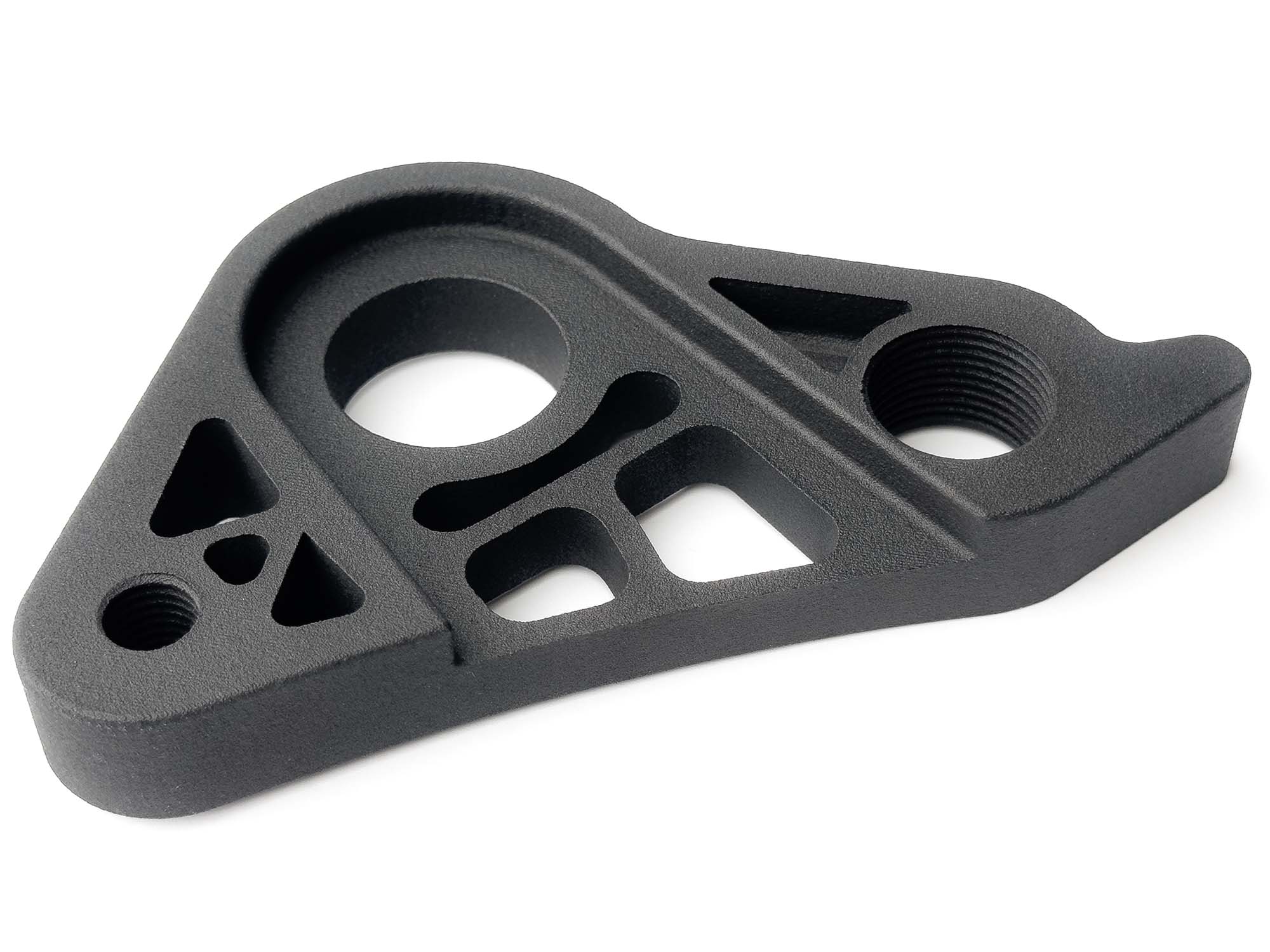 |
| B. Applications - Automotive engineering parts, industrial gears, bearings, electrical connectors |
|
| C. Disadvantages - Difficult processing due to high molding temperature - Continued moisture absorption problems |
|
| D. 3D Printing Methods - FDM (engineering filament): High-strength structural parts - SLS (powder-based): Mass production and precision parts |
3. PA11 (Nylon 11)
| A. Features - Plant-based raw material (castor oil) based > Bio nylon - Low absorption rate, excellent dimensional stability - Excellent low-temperature impact strength and chemical resistance |
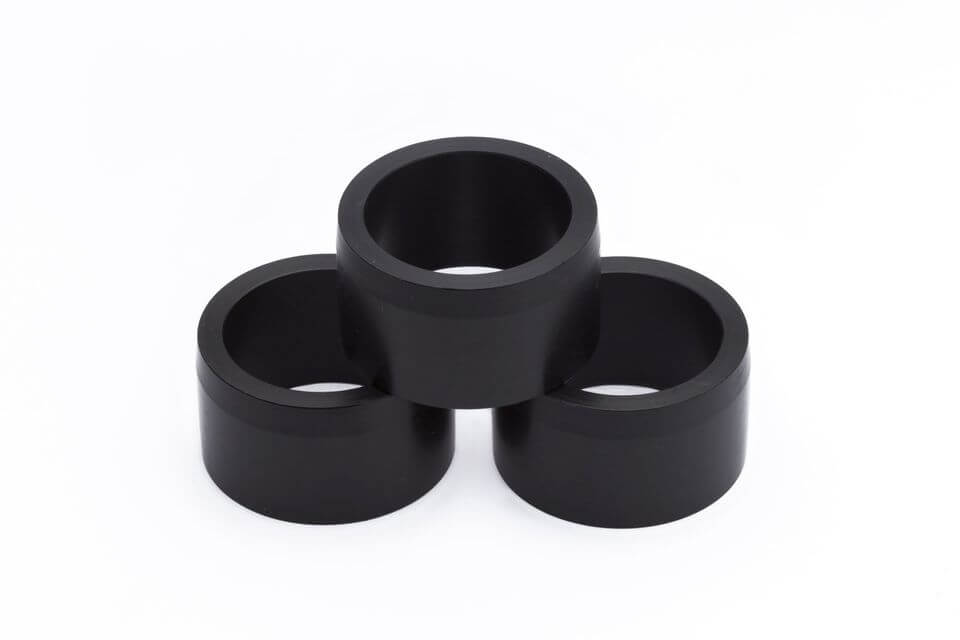 |
| B. Applications - Fuel/oil tubes, medical devices (catheters), sports equipment |
|
| C. Disadvantages - Expensive, limited raw material supply |
|
| D. 3D Printing Methods - SLS: Most widely used material (Representative: Arkema Rilsan® PA11 powder) - MJF: Parts manufacturing with enhanced durability and surface quality |
4. PA12 (Nylon 12)
| A. Features - Similar to PA11 but petroleum-based raw material - Low hygroscopicity, excellent dimensional stability - Excellent flexibility and fatigue resistance |
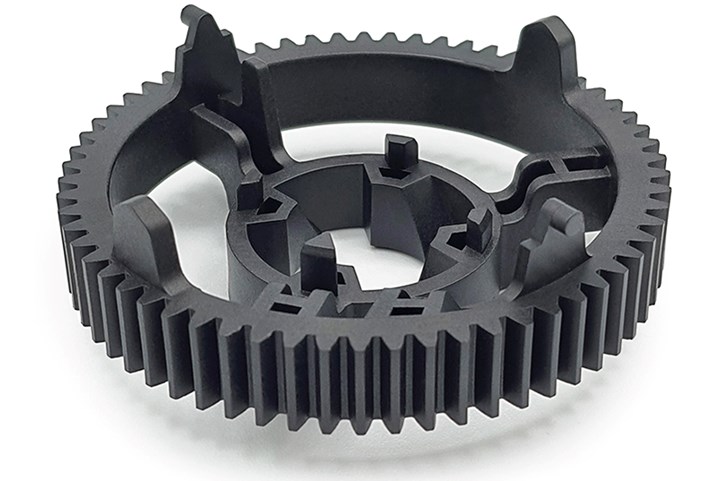 |
| B. Applications - Automotive brake tubes, cable protection materials, electronic device connectors |
|
| C. Disadvantages - Lack of eco-friendliness compared to PA11 - Mechanical strength lower than PA6/PA66 |
|
| D. 3D Printing Methods - SLS (Representative application, EOS PA2200 powder) - MJF (HP Jet Fusion material, industrial parts) - Some FDM filament versions also available |
Composition Differences & 3D Printing Application Comparison
| Type | Raw Material | Absorption Rate/Dimensional Stability | Strength/Heat Resistance | Impact Resistance | Chemical Resistance | Main Applications | Manufacturing Method | Disadvantages |
| PA6 | Petroleum-based | High / Low | High / Medium | Medium | Average | Automotive/electrical parts, textiles | FDM, SLS | Moisture sensitive |
| PA66 | Petroleum-based | High / Low | Very High | Medium | Average | Gears, bearings, connectors | FDM, SLS | Difficult molding |
| PA11 | Plant-based (castor oil) | Low / High | Medium | Very High | Very High | Tubes, sports/medical devices | SLS, MJF | Expensive |
| PA12 | Petroleum-based | Low / High | Medium | High | Very High | Automotive/electronics, 3D printing | SLS, MJF, FDM | Low strength, lack of eco-friendliness |
'How to use MPNITE' 카테고리의 다른 글
| Perfect Material Comparison with MPNITE CMF Kit (0) | 2025.09.04 |
|---|---|
| Easy 3D File Upload on MPNITE (0) | 2025.09.03 |
| MPNITE Quote Guide, Post-processing & Lead Time (0) | 2025.09.03 |
| PA6, PA66, PA11, PA12 나일론계 플라스틱의 세계 (0) | 2025.08.30 |
| MPNITE 3D Printing Design Guide (0) | 2025.08.26 |


