
MPNITE 3D Printing Design Guide
Understanding materials is crucial to the success of your 3D printing projects.
However, it can be difficult to check the complex specifications of numerous materials one by one. MPNITE solves this problem by providing key design guidelines for major 3D printing materials. Use this guide to reduce trial and error and achieve the best results.
1. Key guidelines by manufacturing method
1-1 FDM method (Filament)
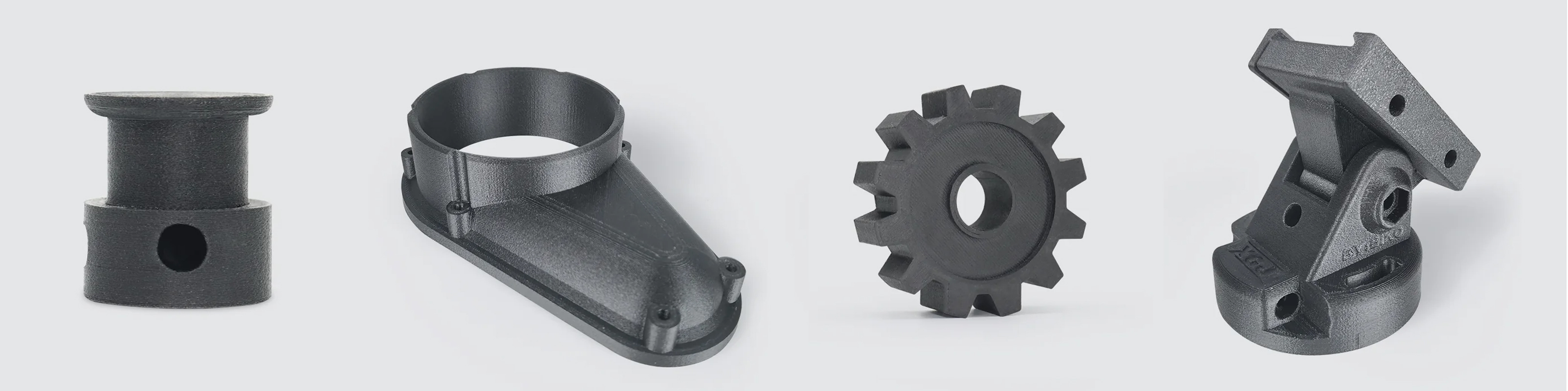
Main materials : PLA, PLA+, PLA-CF, PETG, ABS, TPU, NYLON
Main uses : Prototypes, low-cost functional parts, everyday items
| Item | Minimum Requirements | Recommendations |
| Wall Thickness | 1.0mm | 1.6mm or more |
| Minimum Detail | 0.6mm | 1.0mm or more |
| Precision | ±0.3% | ±0.2mm |
| Hole Diameter | 2.0mm | 3.0mm or more |
| Pillar Diameter | 2.0mm | 2.5mm or more |
Material Characteristics
- PLA/PLA+ : Most popular material with easy post-processing.
- PETG : Enables transparent printing with excellent chemical resistance.
- ABS : Excellent heat resistance, suitable for functional parts.
- TPU : Flexible material suitable for phone cases and similar applications.
- FDM Nylon : Usable for industrial parts requiring durability and strength.
Precautions
- Overhangs beyond 45 degrees require supports.
- Bridging distance of 5mm or less is recommended.
- Structural design considering layer adhesion is important.
1-2. LCD/ SLA/ DLP method (Resin)
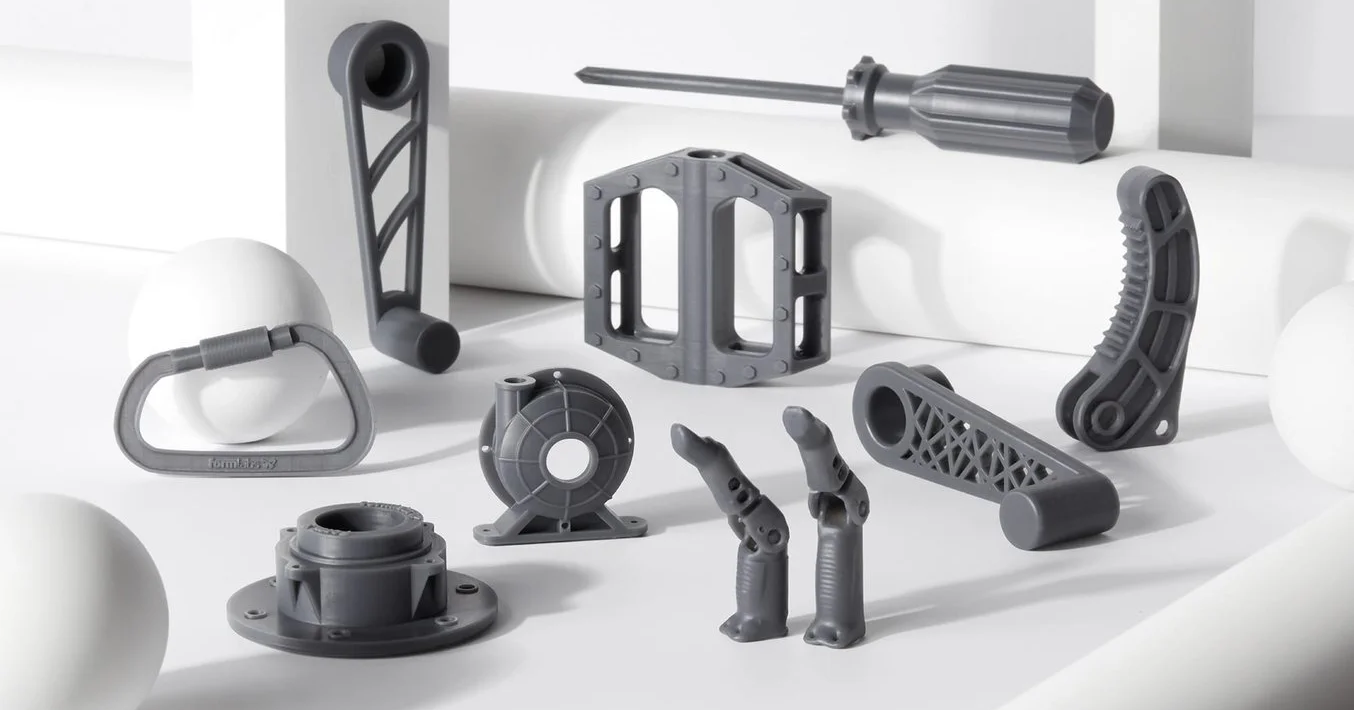
Main materials : Standard Resin, Tough Resin, Transparent Resin, High Detail Resin
Main uses : Precision figures, jewelry/dental models, prototypes with smooth surfaces
| Item | Minimum Requirements | Recommendations |
| Wall Thickness | 0.8mm | 1.0mm or more |
| Minimum Detail | 0.2mm | 0.5mm or more |
| Precision | ±0.2% | ±0.1mm |
| Hole Diameter | 0.5mm | 1.0mm or more |
| Pillar Diameter | 0.5mm | 1.0mm or more |
Material Characteristics
- Standard Resin : Features smooth surfaces and high precision.
- Tough Resin : Impact-resistant, suitable for functional parts.
- Transparent Resin : High transparency, useful for checking internal structures.
- High Detail Resin : Used for fine part manufacturing requiring high resolution.
Precautions
- Hollow structure designs require drainage holes to remove internal resin (minimum 2.5mm).
- Thin walls may warp and require attention.
1-3. SLS Method (Powder)
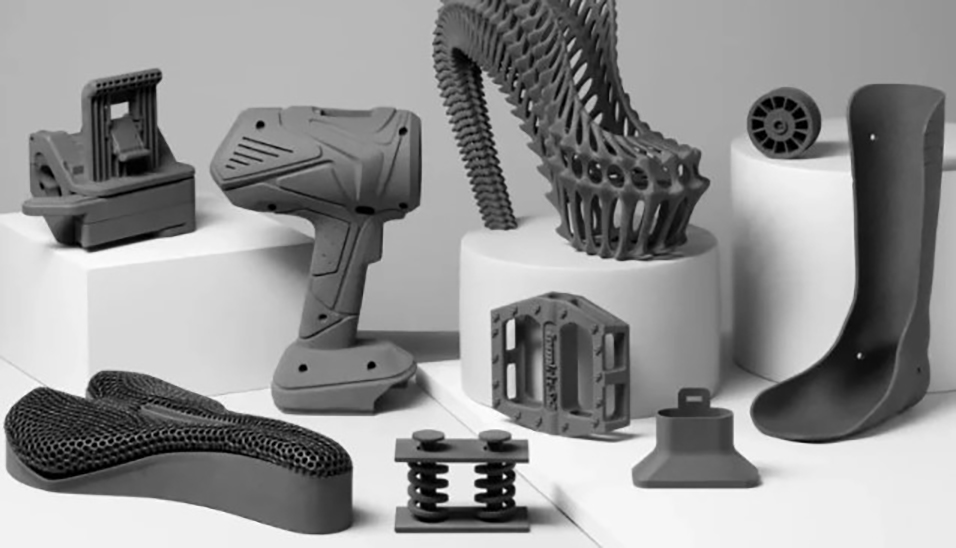
Main materials : SLS Nylon PA12, SLS Nylon PA11, MJF Nylon
Main uses : Drone frames, complex functional parts, assemblies
| Item | Minimum Requirements | Recommendations |
| Wall Thickness | 0.8mm | 1.0mm or more |
| Minimum Detail | 0.3mm | 0.5mm or more |
| Precision | ±0.3% | ±0.3mm |
| Hole Diameter | 1.0mm | 1.5mm or more |
| Pillar Diameter | 1.0mm | 2.0mm or more |
Material Characteristics
- SLS Nylon PA12 : Industry standard material. Excellent rigidity and durability.
- SLS Nylon PA11 : More flexible than PA12 and biocompatible.
- MJF Nylon : Achieves high precision and excellent surface quality with thin layer thickness.
Precautions
- No support is required, making it ideal for producing complex shapes.
- Assembly parts can be printed in one go.
- Holes must be created to remove residual powder from inside.
1-4. Metal Printing Methods (SLM / DMLS)
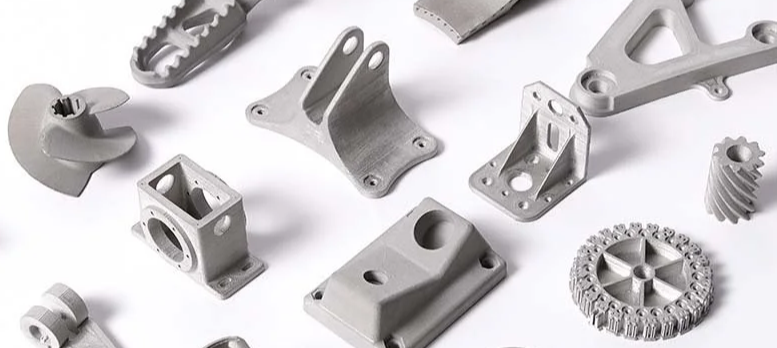
Main Materials : Stainless Steel 316L, Aluminum (AlSi10Mg, etc.), Titanium Alloy (Ti6Al4V), Inconel (Nickel Alloy), Cobalt-Chrome (Co-Cr)
Main Applications: Aerospace parts, medical implants, mold manufacturing, high-performance engineering parts
| Item | Minimum Requirements | Recommendations |
| Wall Thickness | 0.8mm | 1.5mm or more |
| Minimum Detail | 0.3mm | 0.5mm or more |
| Precision | ±0.3% | ±0.1mm |
| Hole Diameter | 0.5mm | 1.5mm or more |
| Pillar Diameter | 1.0mm | 2.0mm or more |
Material Characteristics
- Stainless Steel 316L : Excellent corrosion resistance, suitable for chemical equipment and medical devices.
- Aluminum (AlSi10Mg) : Lightweight and highly thermally conductive, used in aircraft and automotive lightweight parts.
- Titanium Alloy (Ti6Al4V) : High strength-to-weight ratio and biocompatibility make it essential for implants and aerospace components.
- Inconel (Nickel Alloy) : Resistant to high-temperature and high-pressure environments, used in turbines and engine components.
- Cobalt-Chrome : High hardness and wear resistance make it suitable for dental prosthetics and artificial joints.
Precautions
- Support structure essential : Metal printing has high thermal stress and shrinkage, requiring support design for complex shapes.
- Consider post-processing : Mechanical properties and dimensional accuracy must be ensured through post-processing such as HIP (Hot Isostatic Pressing), heat treatment, and CNC machining.
- Internal stress management: Minimize weight and residual stress with lattice structures rather than thick sections.
- Holes/internal channels: Design with minimum 2mm diameter to prevent channel blockage.
- Surface quality: Basic printing produces surface roughness (Ra 8-15μm level), requiring post-processing like polishing or sandblasting.
2. Material Selection Tips by Application
2-1. Visual Prototypes
- Recommended Method/Material: SLA (Standard Resin)
- Features: Smooth surfaces and high precision enable near-realistic verification of final product design.
- Applications: Exhibition mockups, design verification models, figure samples
2-2. Functional Test Parts
- Recommended Method/Material: SLS (Nylon PA12), FDM (PLA+)
- Features: Mechanical strength and durability enable function verification in real environments.
- Applications: Assembly structure verification, load testing, repetitive motion parts
2-3. Small-batch Production
- PLA-CF (FDM) : Improved heat and impact resistance over PLA, less warping, for applications requiring rigidity
- PETG (FDM) : Excellent chemical resistance and transparency, for household and industrial items
- TPU (FDM) : For wearables and protective cases requiring flexibility
- SLS Nylon (PA12, PA11): Drone parts, automotive interiors, ensuring durability and strength for repetitive loads and mechanical functions
- Transparent Resin (SLA): For transparent covers and optical verification parts
- Carbon Fiber Reinforced Nylon (FDM, SLS): Robot arm parts, frames requiring both rigidity and lightweight properties
- PC (Polycarbonate, FDM): Machine parts, electronics housings, heat dissipation parts with high heat resistance, impact resistance, for industrial equipment
2-4. High-performance, Special Purpose Products (Metal 3D Printing)
- Recommended Method/Material : SLM/DMLS (Stainless Steel, Aluminum, Titanium, Inconel, Cobalt-Chrome)
- Features : High strength, heat resistance, and corrosion resistance enable direct manufacturing of end-use parts.
- Applications :
* Medical : Implants, dental prosthetics (Titanium, Co-Cr)
* Aerospace : Lightweight parts, engine components (Aluminum, Inconel)
* Industrial Equipment : Wear-resistant, heat-resistant molds and custom machine parts (Stainless Steel, Inconel)
MPNITE automatically analyzes your uploaded 3D model files to predict their intended use and suggest the optimal production method.
Leave complex design reviews to MPNITE and focus only on design.

'How to use MPNITE' 카테고리의 다른 글
| MPNITE Quote Guide, Post-processing & Lead Time (0) | 2025.09.03 |
|---|---|
| PA6, PA66, PA11, PA12 나일론계 플라스틱의 세계 (0) | 2025.08.30 |
| 엠피니티 3D 프린팅 디자인 가이드 (0) | 2025.08.22 |
| CMF Kit으로 3D 프린팅 재료 특성 완벽 비교하기 (0) | 2025.08.21 |
| 엠피니티에서 쉬운 3D 파일 업로드 (0) | 2025.08.16 |


